
Why a Good Massage Should Hurt a Little — But Never Too Much
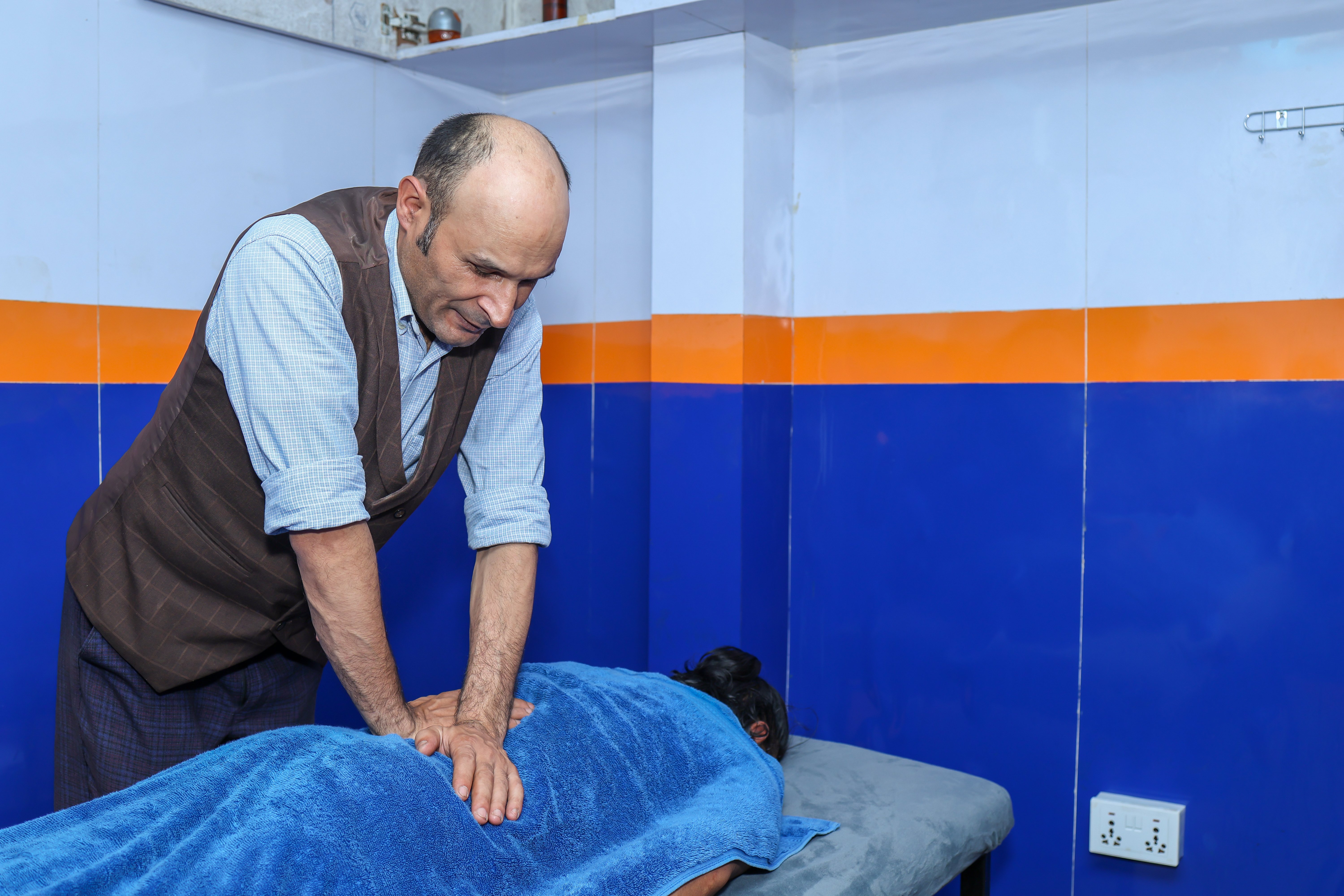
Most people think a massage is either gentle relaxation or painful deep pressure. There is nothing in between. But that is not how the body works, and that is not how I work.
When I place my hands on a client's back, I am not just pressing. I am reading. Every muscle has a different story. Some are tight from sitting at a desk for eight hours. Some are knotted because of an old injury the person has forgotten about. Some are perfectly fine and do not need any attention at all.
The problem with most massages is that the therapist applies the same pressure everywhere. They press hard because the client asked for deep tissue, or they go soft because the client said relaxation. But your body is not one thing. Your left shoulder might need firm, focused work while your lower back only needs warmth and gentle movement.
This is what formal training teaches you — how to identify each muscle, understand what it needs, and then apply the right technique. Not harder. Not softer. Right.
And then there is pain tolerance. Every person is different. I have had clients who can take very deep pressure without flinching, and others whose muscles tense up the moment I increase even slightly. If I push past what your body can accept, your muscles will fight back. They will tighten instead of releasing. The massage becomes counterproductive.
So I listen. Not to what you tell me — though that matters too — but to what your muscles tell me.
That is the difference between a massage and a treatment.